
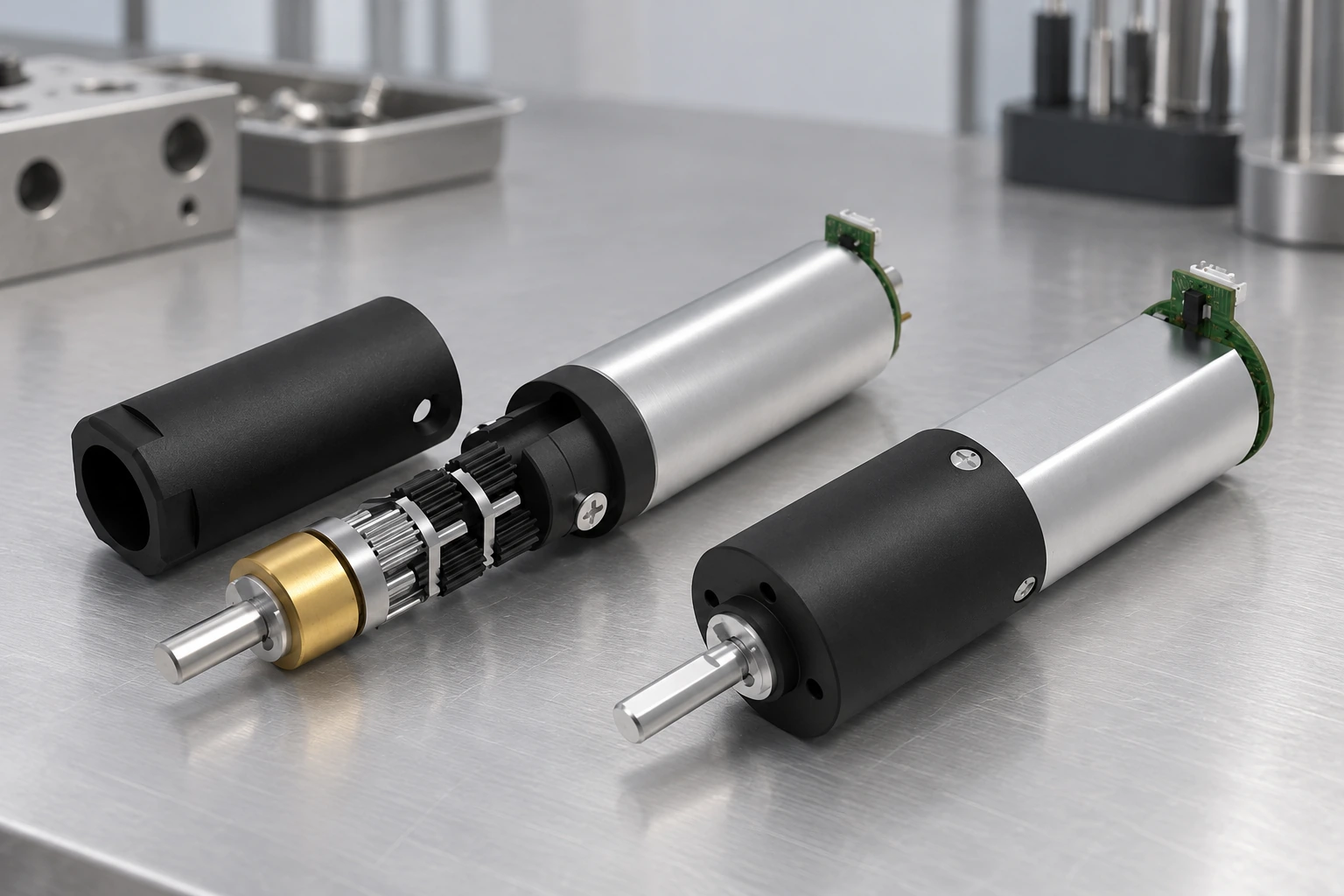
Load and speed changes
Measure heating and operation by load/speed on the same mechanism.
- Record
- Load, speed, temperature, noise and wear locations

REDUCERS / BEARINGS / GUIDES
Evaluate reducer and sliding lubrication by load, speed, temperature and relubrication interval.
Robotics & automation drives
Start with the mechanism and manufacturer specification, then compare lubrication locations, quantities and operating conditions.
Evaluation inputs
Evaluation inputs
Evaluation inputs
EXPLORE THE COMPONENT
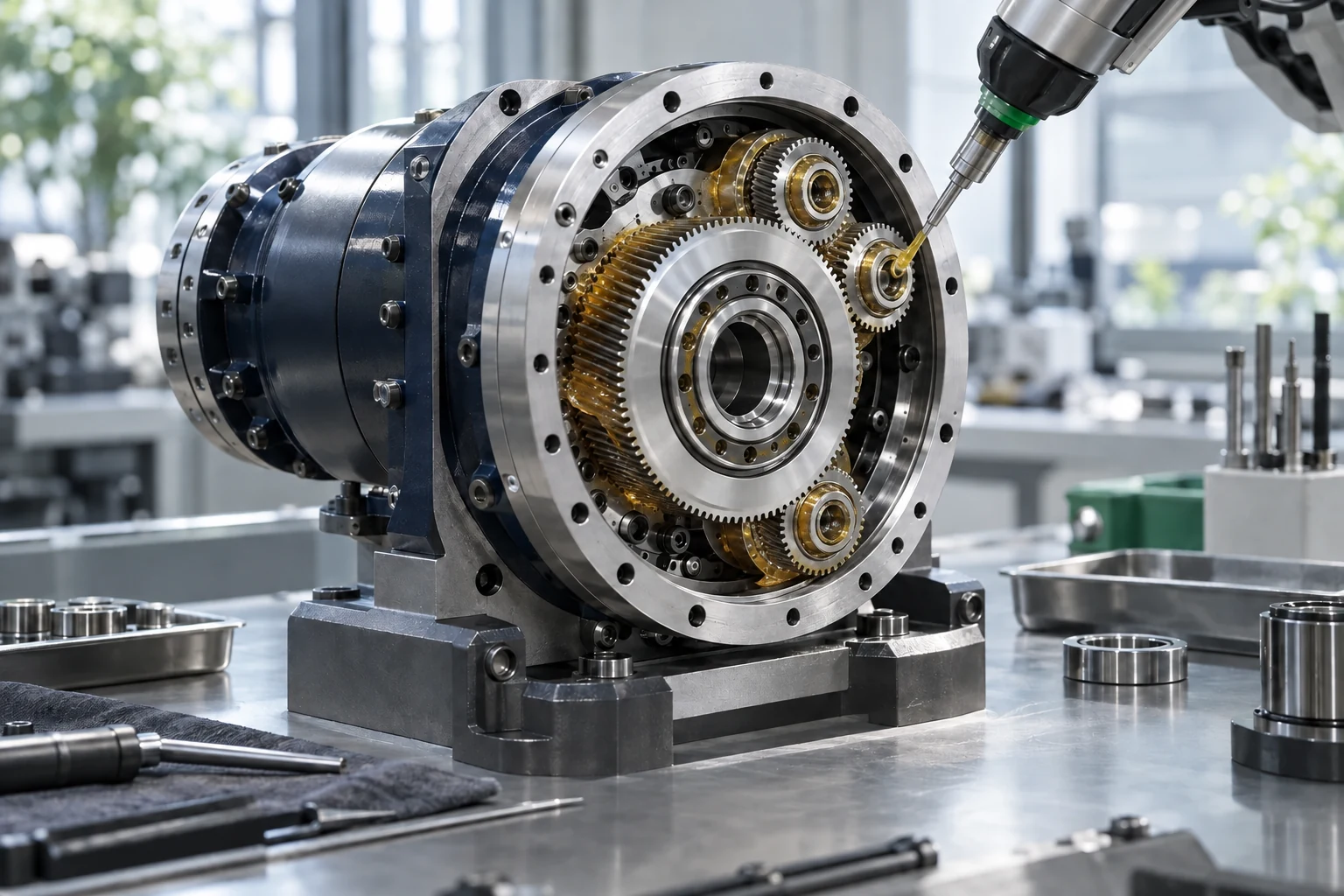
CONDITIONS TO REVIEW
Load, speed, duty cycle, heat and lubricant retention
See the test methods ↓Explore the component challengeCONDITIONS TO REVIEW
Materials, roughness, sliding speed and noise triggers
See the test methods ↓Explore the component challengeCONDITIONS TO REVIEW
Environment, contacting fluids and seal compatibility
See the test methods ↓Explore the component challengeOPERATING CONDITIONS
Compare before and after material changes under matching conditions.
Measure heating and operation by load/speed on the same mechanism.
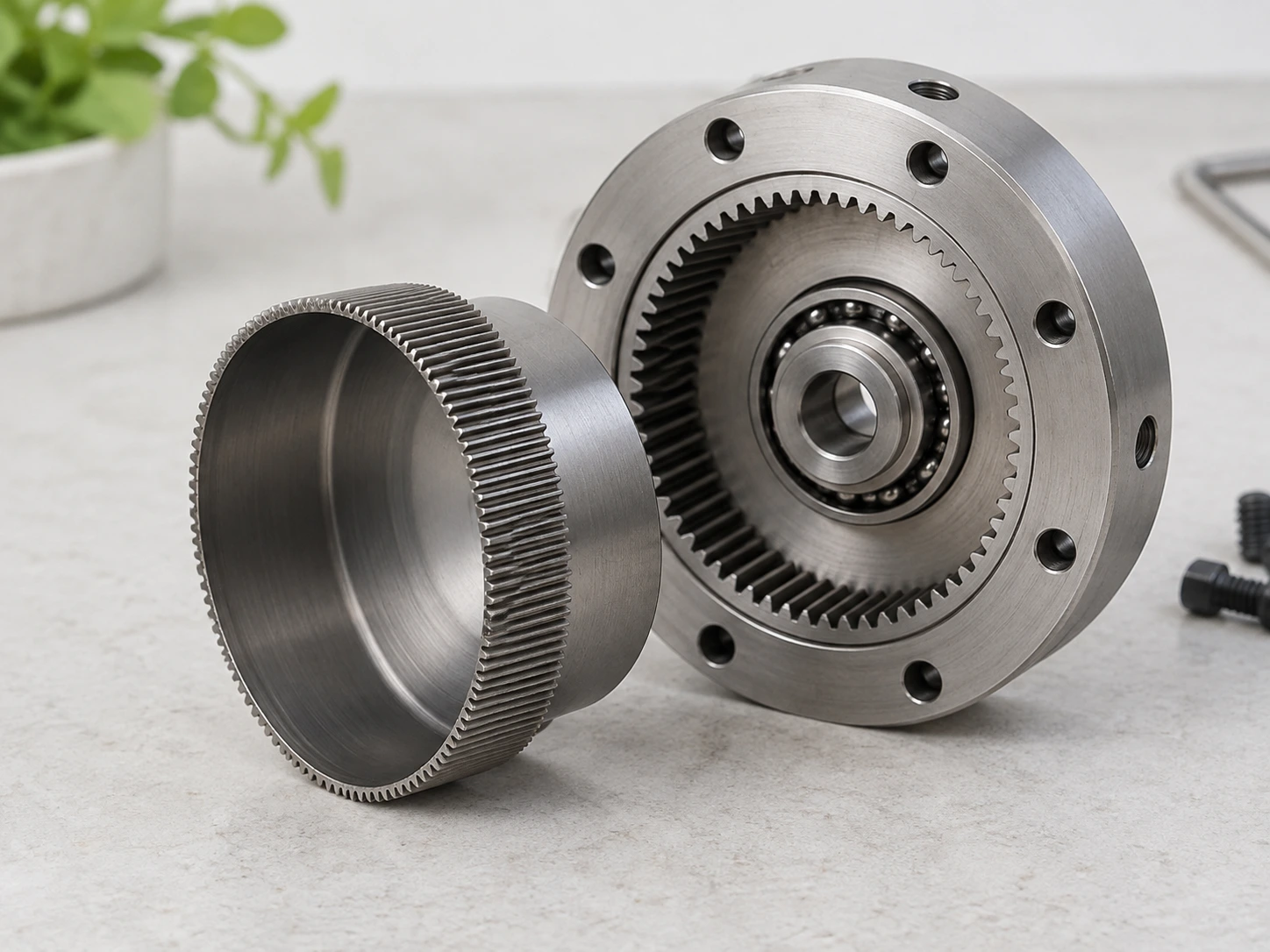
Match cycles and lubrication conditions and check retention.
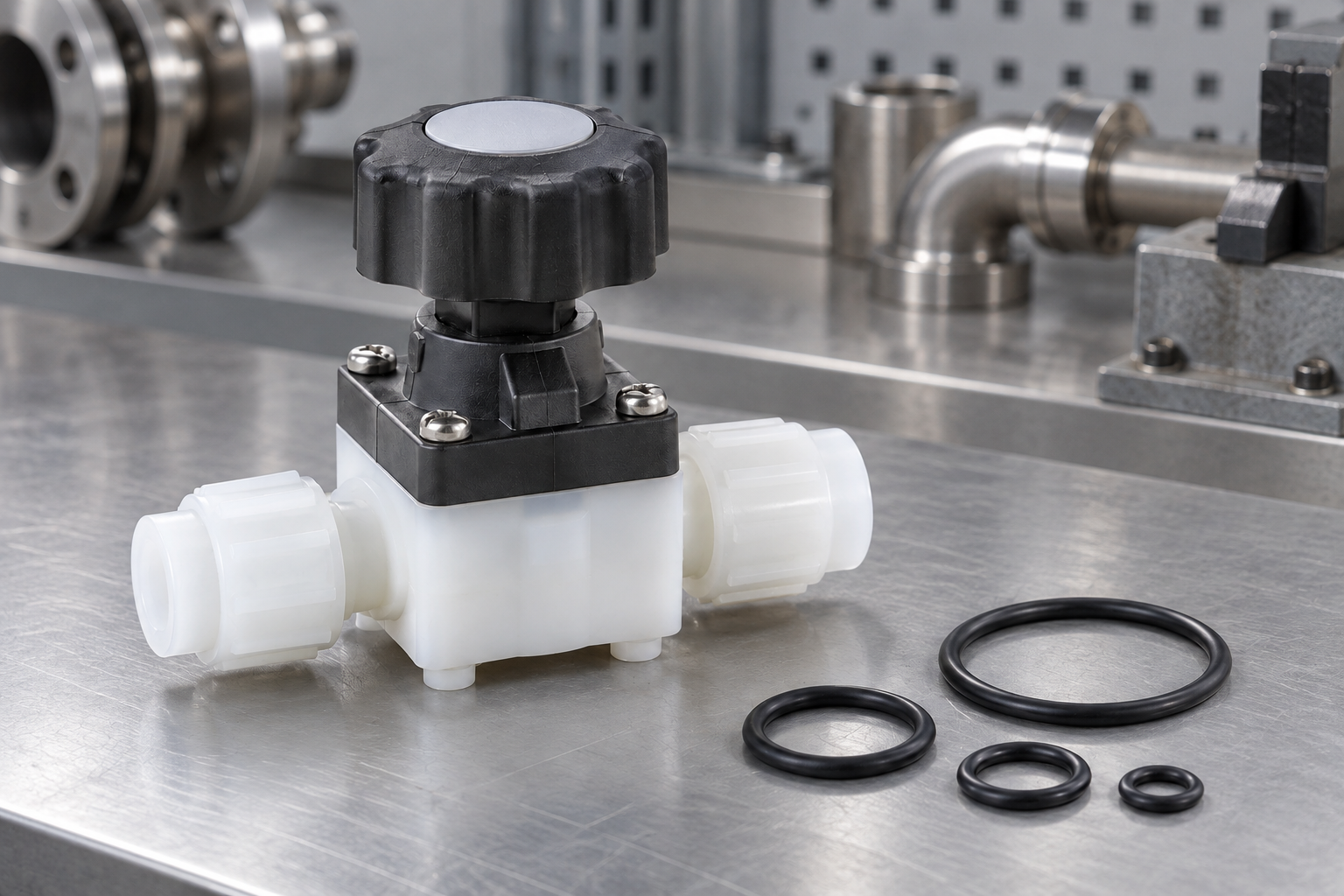
Compare actual contacting fluids and seal materials.
APPLICATION TESTING
TEST BRIEF
DOCUMENTS & SAMPLES
Request the information you need for product selection and internal evaluation.
Discuss these requirementsEUBO APPLICATION NOTES · IATF 16949
State the manufacturer, model, lubrication point, current material, load, speed and temperature. Include water exposure, seal materials and maintenance procedure. Manufacturer requirements and actual-equipment testing take precedence.
No. Bearings, drives, hydraulic systems and auxiliary mechanisms have different requirements. Identify the precise function and specified material; this page’s industrial context does not establish product qualification.